
Mountaineering / Solo climbing / Nepal / Winter expedition
Pisang Peak Solo: Bangladesh's First Solo Winter Climb Above 6,000 Metres
A winter, self-supported ascent of Nepal’s 6,091-metre Pisang Peak—the first solo summit of a six-thousander by a Bangladeshi mountaineer.
A mountain to climb alone
For more than two years, I carried the same difficult idea: to climb a Himalayan mountain alone, without a guide, porter, cook or teammate. Several self-supported expeditions had shown me the appeal of moving with fewer layers between a climber and a mountain. Solo mountaineering took that idea to its sharpest edge. Every load, decision, mistake and consequence would be mine.
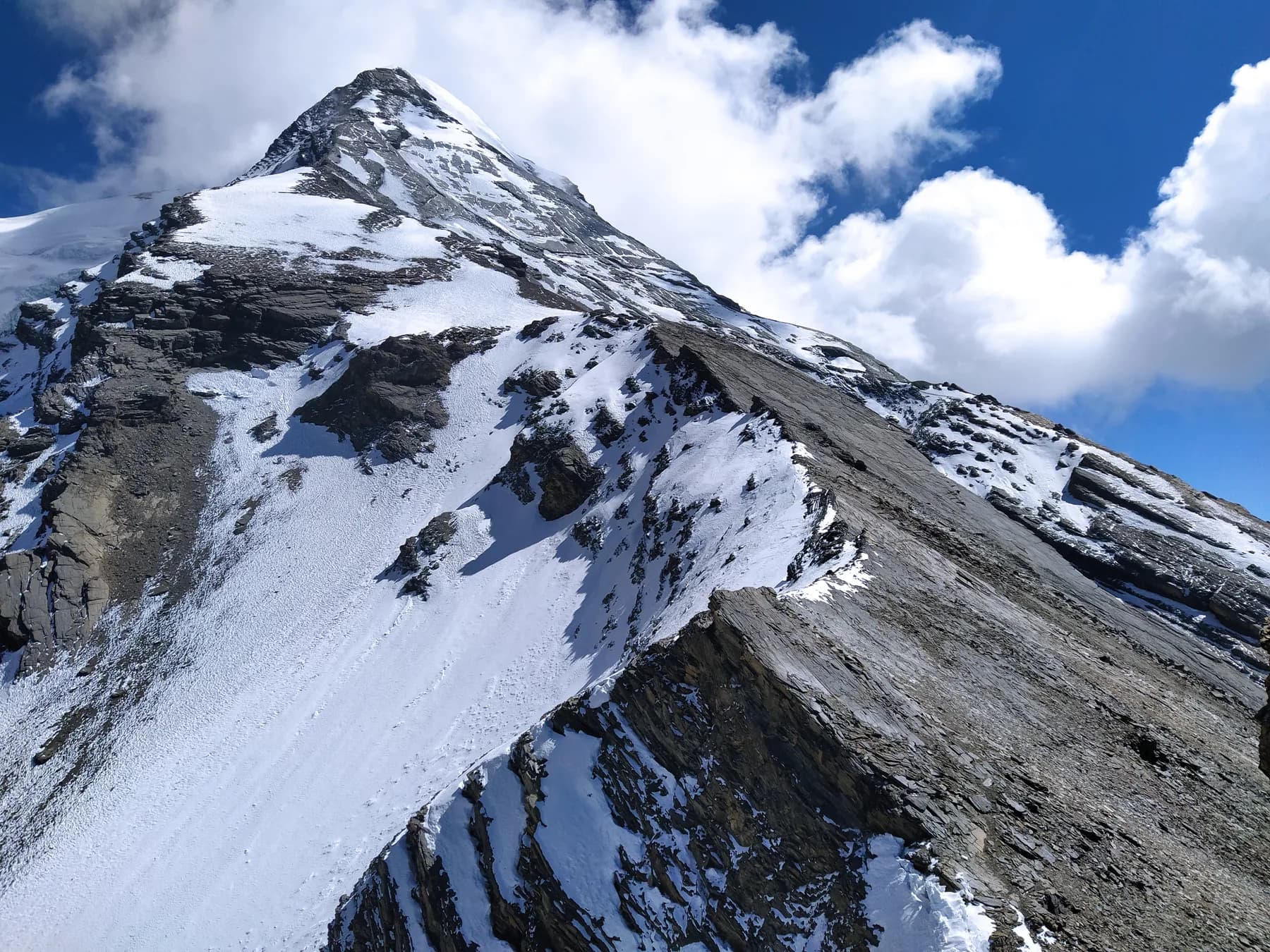
Pisang Peak held my attention. At 6,091 metres, it rises above Nepal’s Annapurna region in a clean pyramid. It was high enough to demand serious acclimatisation and technical work, yet its position near an established trekking corridor made the approach possible. I chose winter for the harder conditions and the cheaper permit, knowing that the same choice would mean deeper cold, uncertain snow and very few people on the mountain.
This was not simply a summit plan. It was an attempt to make the first solo ascent of a six-thousand-metre peak by a Bangladeshi mountaineer.
Reaching the mountain was the first expedition
By February 2023, my plan was ready but the finances were not. Even without buying new equipment, the minimum budget was beyond what I had. Munim suggested crowdfunding. With less than a week before the intended departure, friends and well-wishers responded quickly enough to make a stripped-down expedition possible.
I booked the Kathmandu flight one day before departure and arrived on 16 February. The next days brought their own complications: permit arrangements, misleading offers, last-minute equipment work, and the loss of my passport and money. I eventually secured the climbing permit and the documents needed to continue.
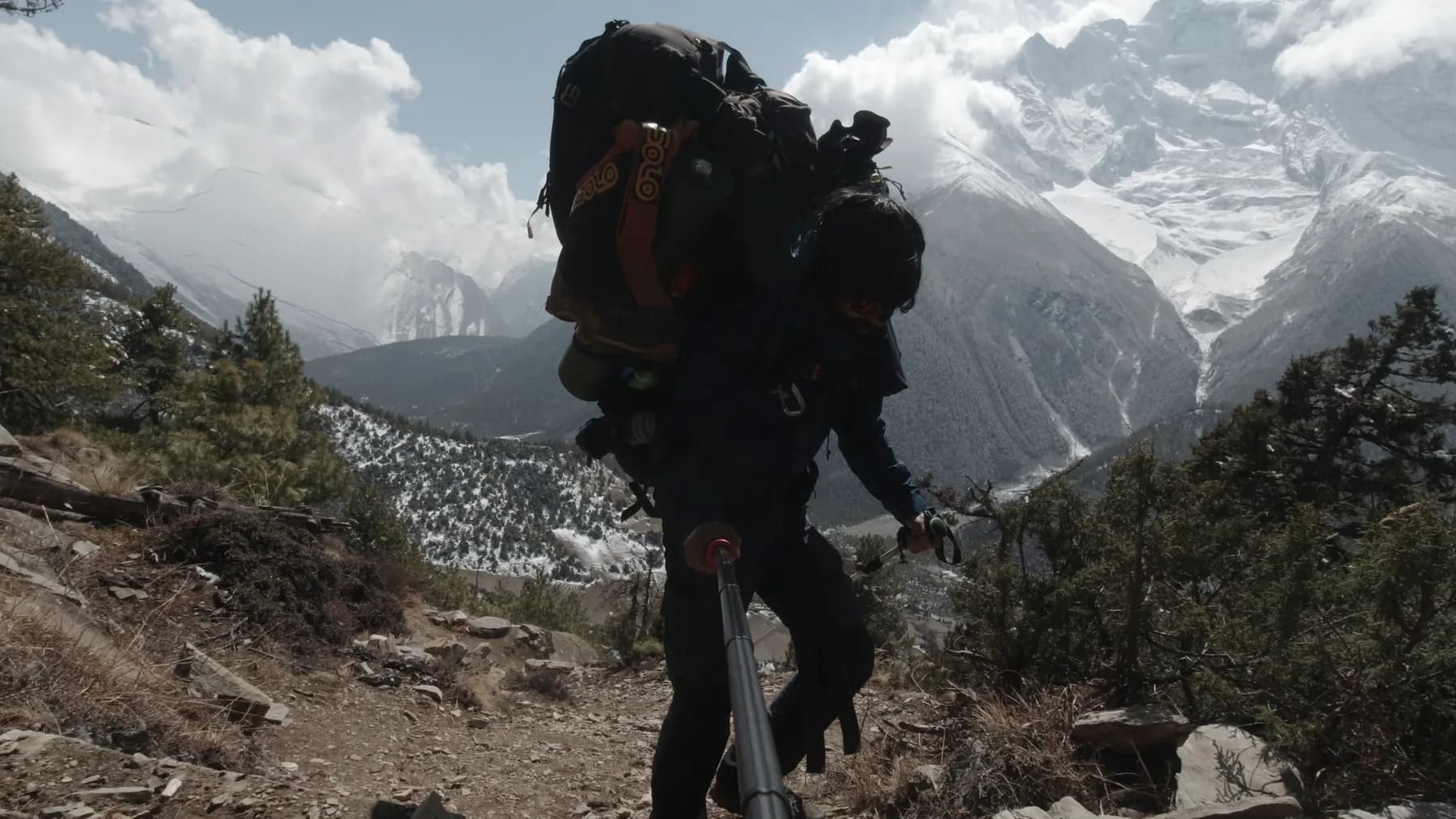
On 22 February, I took a bus towards Besisahar. A day later I reached Dhikur Pokhari and moved towards Upper Pisang. Vehicles and porters were beyond my budget, so I carried the expedition loads myself—first in stages to the last village, then upward with more than 34 kilograms on my back.
Three camps instead of two
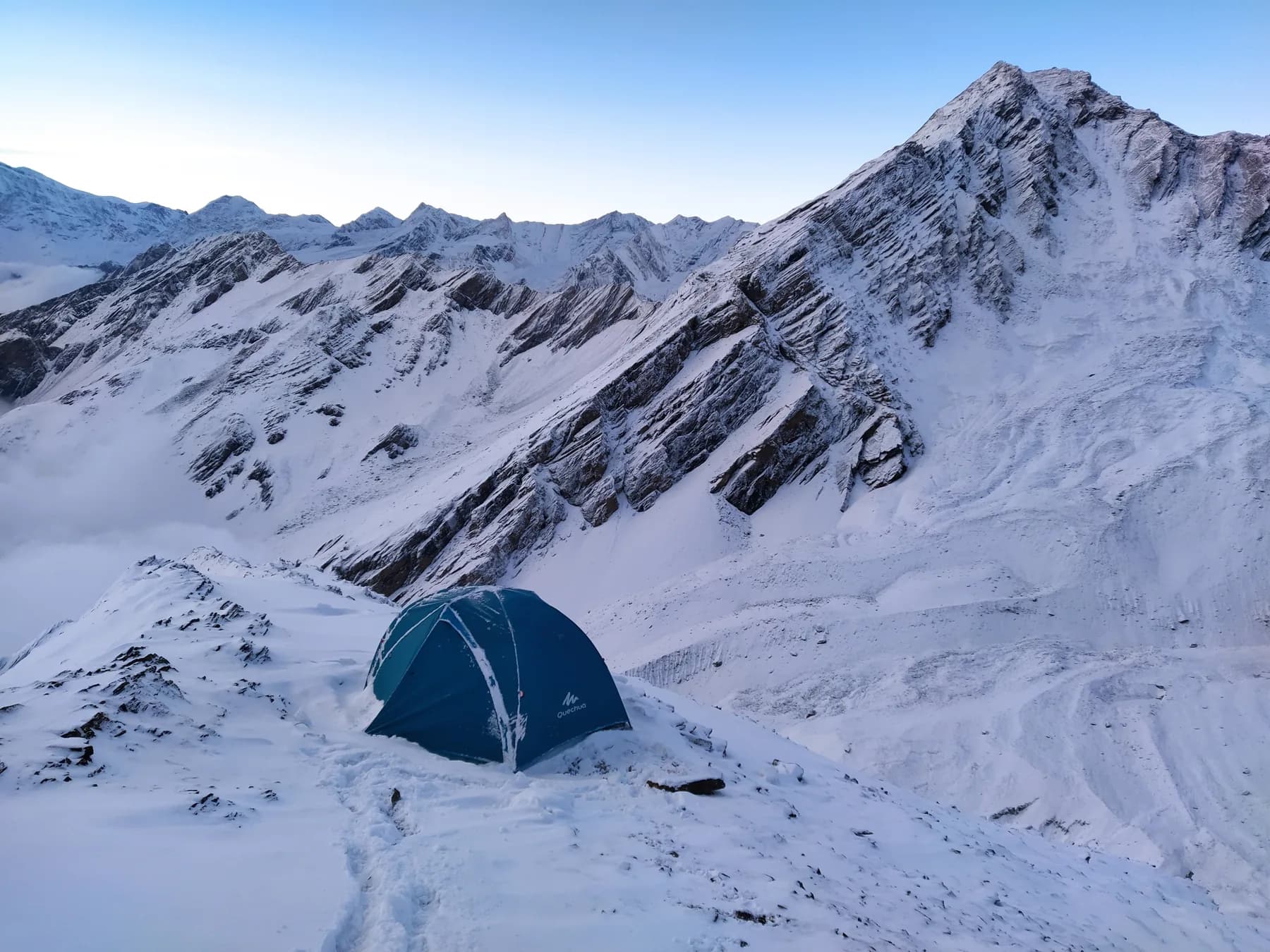
Most supported teams use two camps above Upper Pisang. Carrying food, fuel, tent, technical gear and everything else alone forced me into three. I placed the first around 13,900 feet and the second around 15,500 feet. Neither offered an easy water source. At times I gathered snow resting on shrubs because the ground around camp was bare.
It took three days to reach summit camp at roughly 17,550 feet. The small platform sat on a ridge with steep ground falling away on both sides. Annapurna filled the south-western horizon; the Manang valley ran away to the north-west. At night, distant lights below were the only sign that another human world still existed.
The first push: thirty metres short
The plan was to leave in the night after a rest day. Cold and exhaustion defeated the alarm, and I stepped outside after 7 a.m. Twenty minutes above camp, the route steepened into a rock wall. The winter face did not resemble the route I had prepared for.
The next section was a succession of loose 60–80-degree rock pitches, extending hundreds of metres. There were no fixed ropes ready for use and no partner to belay me. I found sections of old rope left on the mountain, carried them upward and fixed what protection I could. During the climb, my helmet came loose and disappeared down the face with a borrowed action camera and its footage attached.
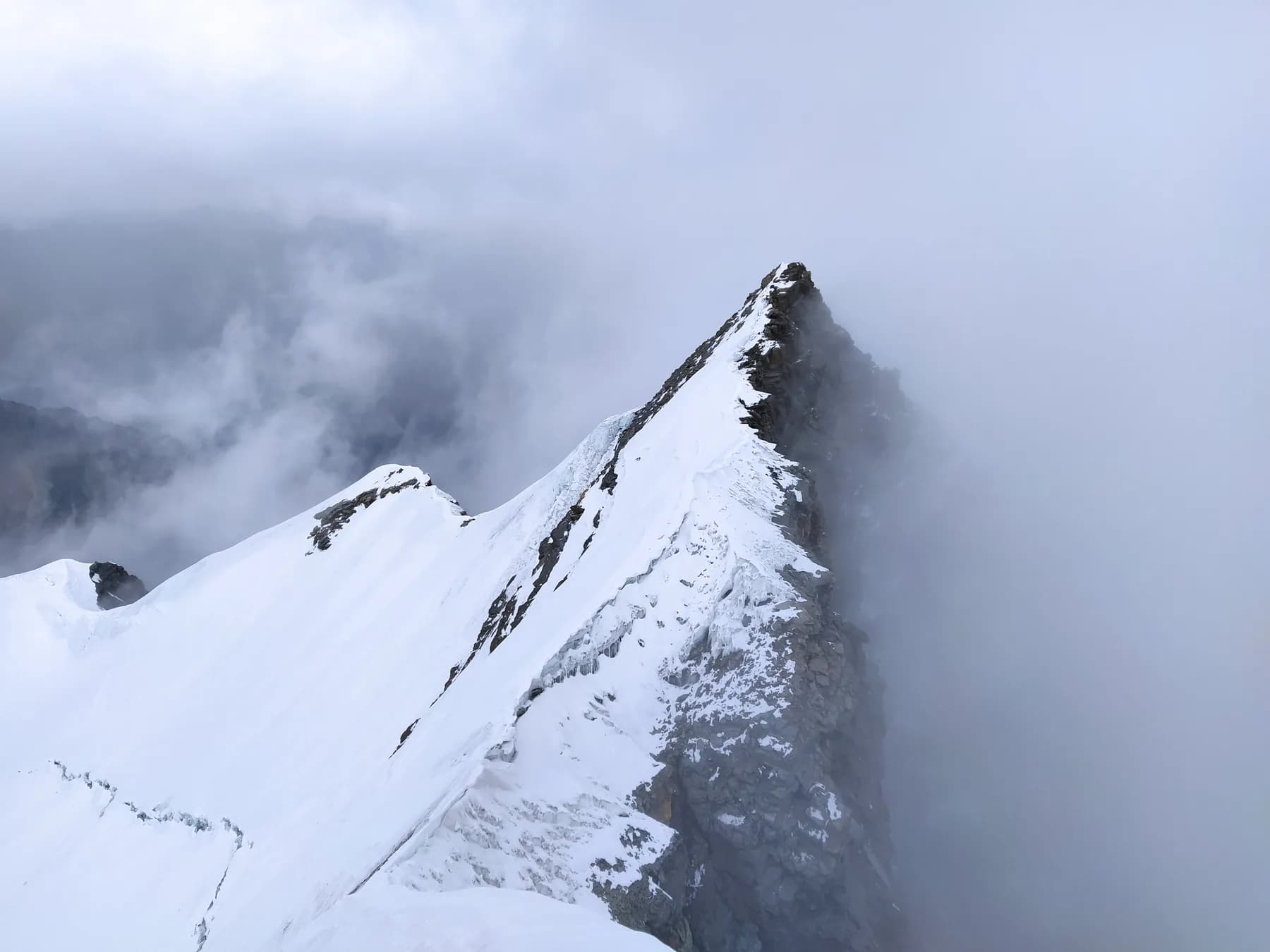
By mid-afternoon, I had climbed through the rock to the snow section. The GPS later showed 6,061 metres—only 30 vertical metres below the official summit elevation—but the true summit still required more time. Clouds were building, and every metre climbed had to be reversed alone. I turned around at about 3:30 p.m.
The retreat took nearly three hours. At camp I managed a glass of water and slept until 3 a.m. The most difficult thought on waking was simple: to summit, I would have to climb all of it again.
Choosing to return upward
I spent the next day repairing myself and debating whether another attempt was responsible. The forecast received over satellite phone showed a narrow window, with deteriorating weather after midday. Temperatures around camp fell near –24°C. Stepping outside before dawn still felt almost impossible.
On the second push, familiarity made the rock section faster. The ropes I had fixed during the first attempt helped me pass the steepest ground. Above it, the route turned to snow and ice, and the mountain disappeared in cloud.
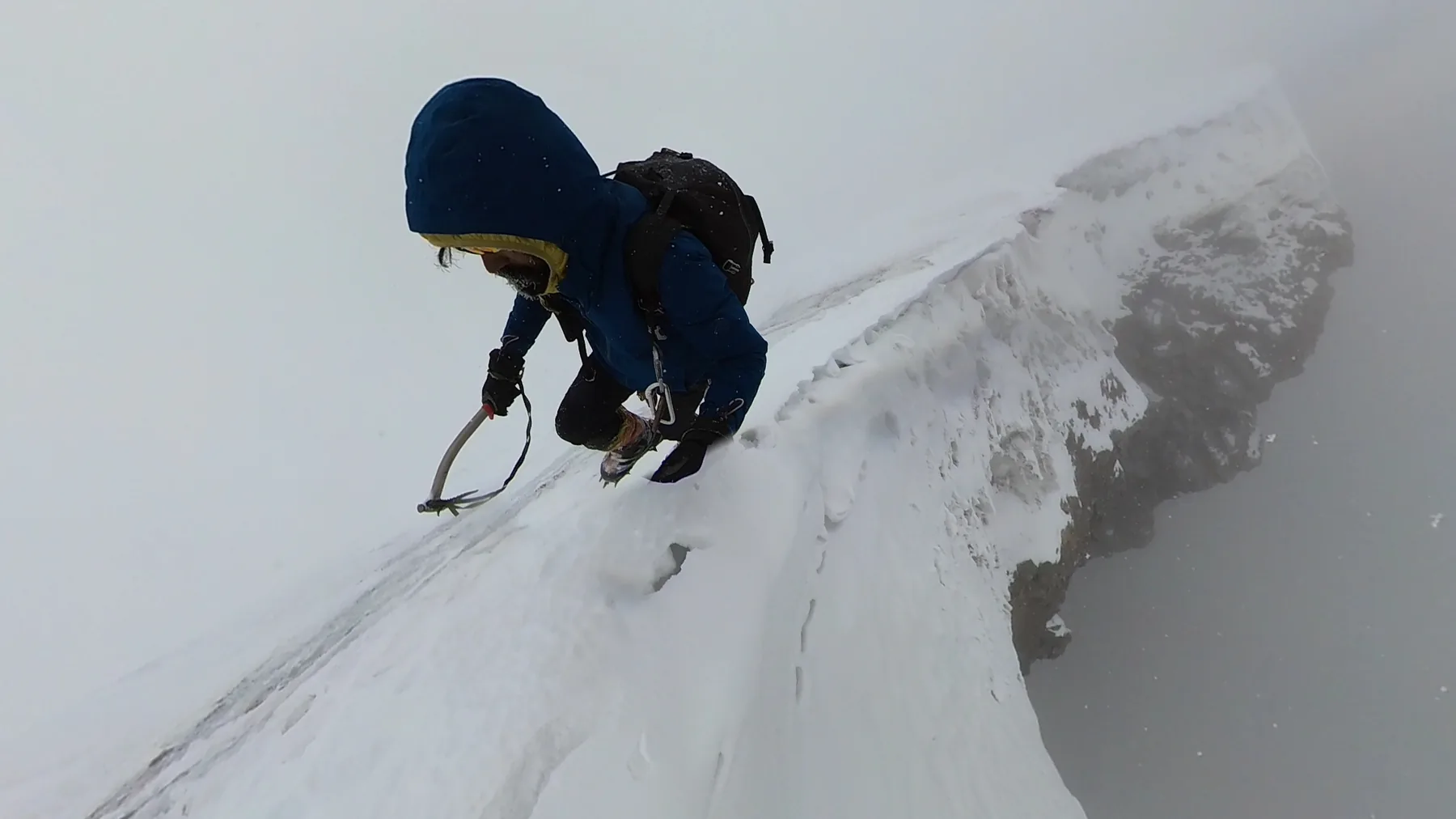
Near the top I found three similar high points. Winter snow had buried the prayer flags and other familiar summit markers. The GPS indicated that the last point was the summit. I crossed the first two, continued over the exposed ridge and reached the third at around 3 p.m. on 4 March 2023.
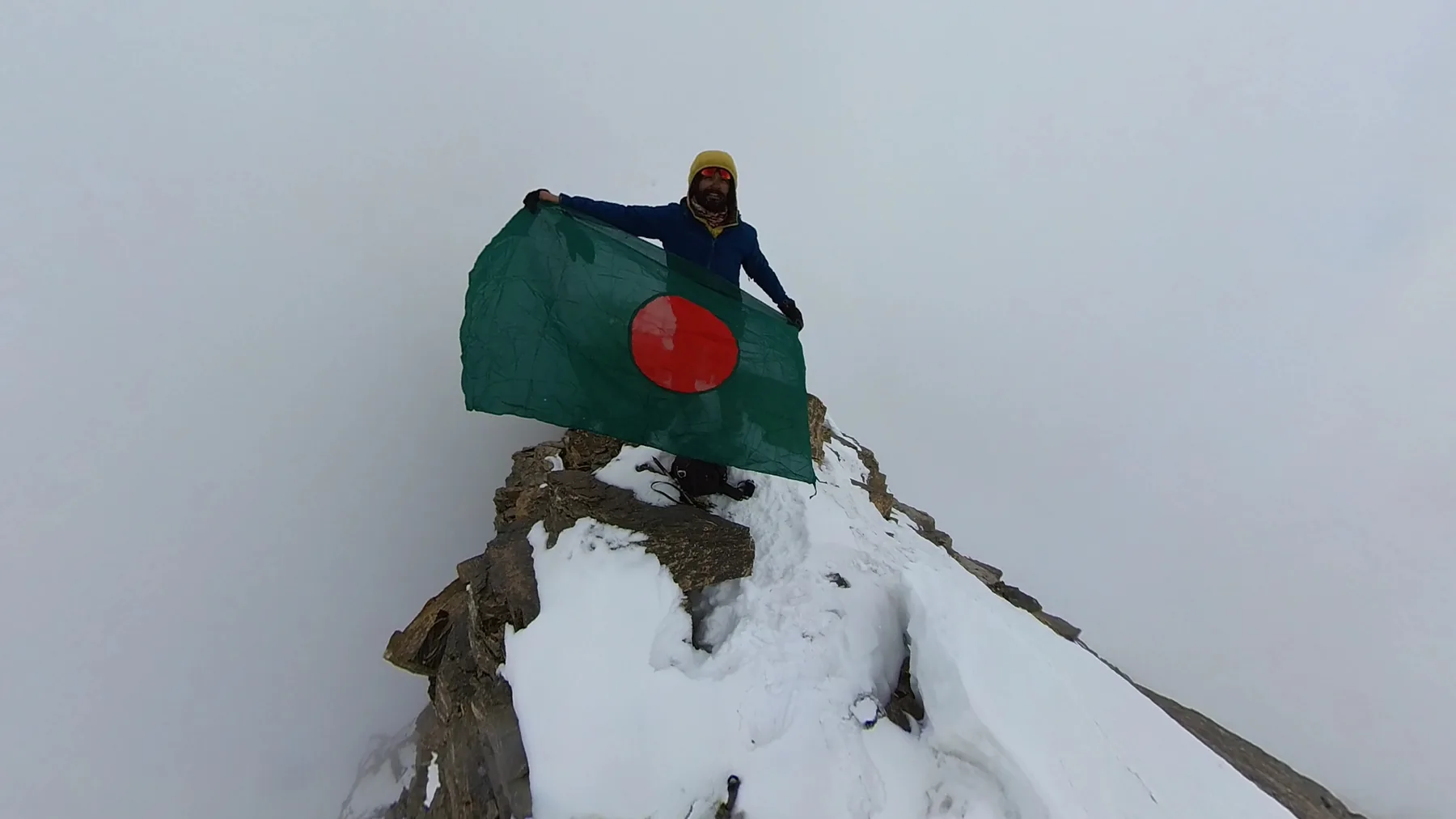
The device read 6,096 metres; the accepted elevation of Pisang Peak is 6,091 metres. I unfolded the Bangladesh flag and stood alone at the top. The moment completed what, to the best of my knowledge and the accounts published after the expedition, was the first solo summit of a six-thousander by a Bangladeshi.
The summit was only halfway
Snow had started falling before I reached the top. The forecast storm was already late, and that small delay had given me the summit window. It did not give me a safe descent.
The weather closed into a whiteout. Wind drove snow horizontally into my face, the route vanished, and the tracks from the ascent disappeared. Using the phone-based GPS would have required exposing my hands in severe cold. On the steep pitches I descended by the ropes and rock, then continued by judgement when stopping became more dangerous than moving.
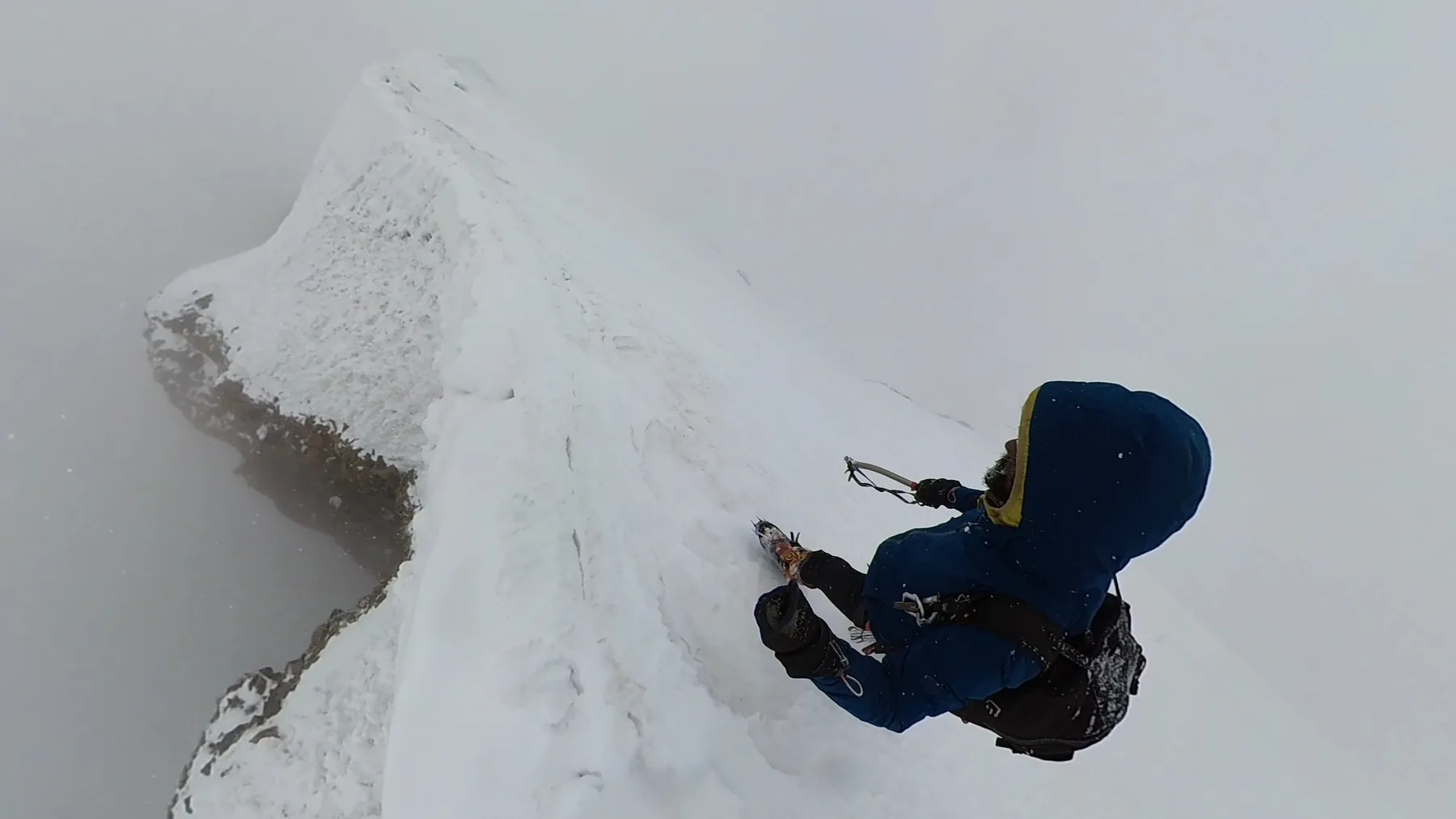
For roughly three hours I fought the storm alone. At about 6:30 p.m., the tent appeared through the cloud. I had feared the exposed shelter and its fibre poles would not survive the wind. Seeing it still fixed to the ridge was one of the expedition’s greatest moments of relief.
Inside, snowmelt and sweat had soaked my clothing. I fell into the sleeping bag and remember little before 3 a.m. The summit had been the objective; surviving the storm felt like the larger achievement.
Back to a human world
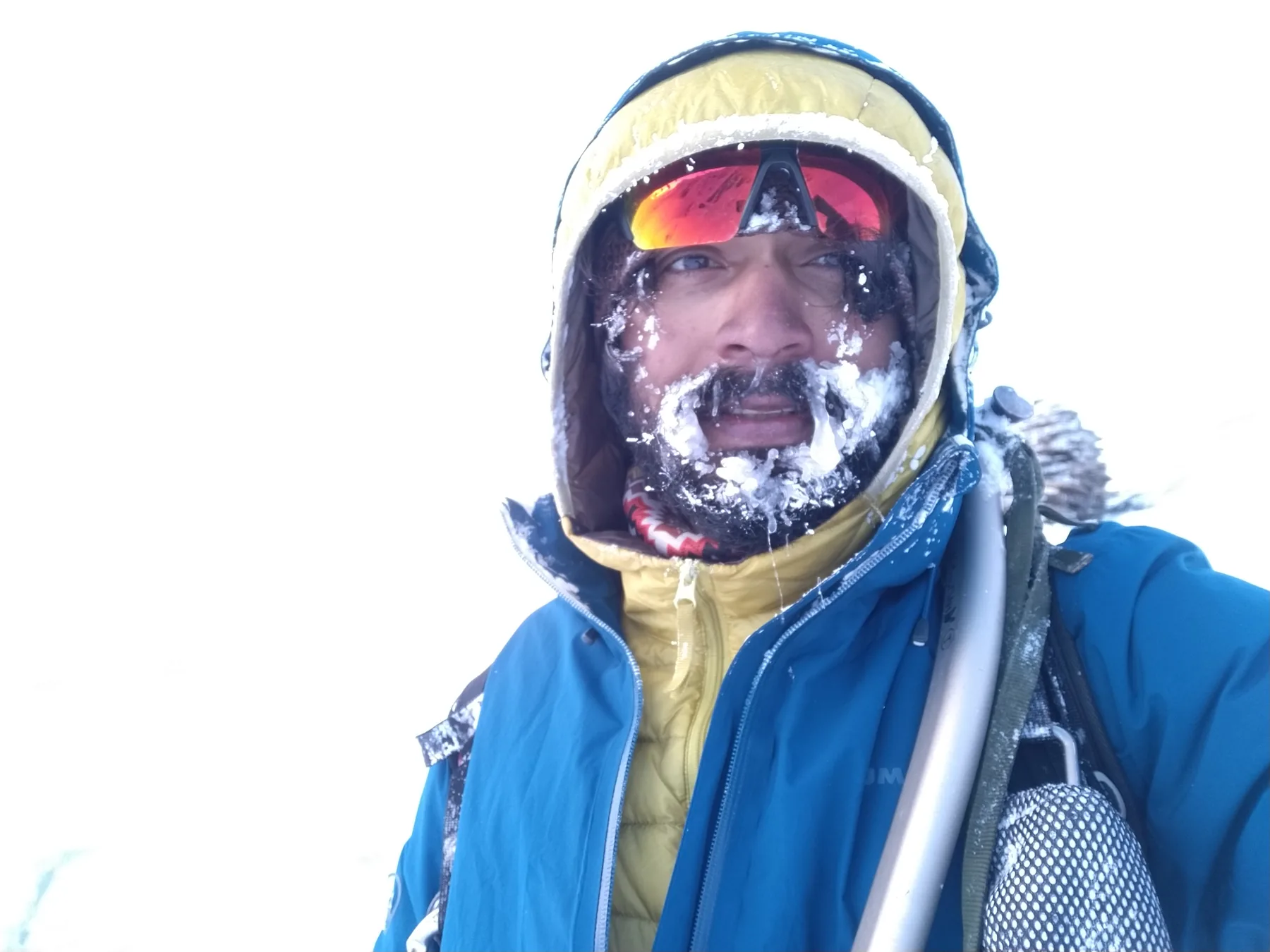
The next day I packed camp and started down around noon. Fresh snow concealed unstable ground and made the first few hundred metres slow. I passed base camp and continued until I reached the lodge in Pisang village around 9 p.m. By 10, a hot Nepali plate of rice and lentils was in front of me.
The passport was never recovered. Back in Kathmandu, a police report, an emergency travel document from the Bangladesh embassy and a visa transfer took several more days. Those problems, like the permit confusion and the last-minute financing, became part of the same expedition.
I had gone to Pisang to find out whether I could stand on a Himalayan summit entirely responsible for myself. What stayed with me was more complicated. Solo climbing magnifies self-reliance, but it also makes judgement the central skill. Turning around 30 metres below the summit was not failure. Returning the next day was not stubbornness by itself. Both decisions depended on time, weather, strength and the possibility of coming back alive.
The summit photograph records an achievement. The empty camp, the first retreat and the storm on the descent explain what it meant.
Pisang Peak, Annapurna region, Nepal · Summit elevation: 6,091 m · 16 February–5 March 2023
Route
Kathmandu → Besisahar → Dhikur Pokhari → Upper Pisang → Base camp → Summit camp → Pisang Peak
Timeline
- 16 February 2023 — Arrived in Kathmandu to arrange the permit and final preparations.
- 22 February — Left Kathmandu for Besisahar and continued towards Upper Pisang.
- First summit push — Turned around at 6,061 metres when the remaining time and weather made a safe return doubtful.
- 4 March — Reached the 6,091-metre summit around 3 p.m. on the second push.
- 5 March — Descended from summit camp to Pisang village.
News Coverage
Reports, interviews and features about this expedition. Open a clipping to read or watch the original coverage.
Visit the full press archive ↗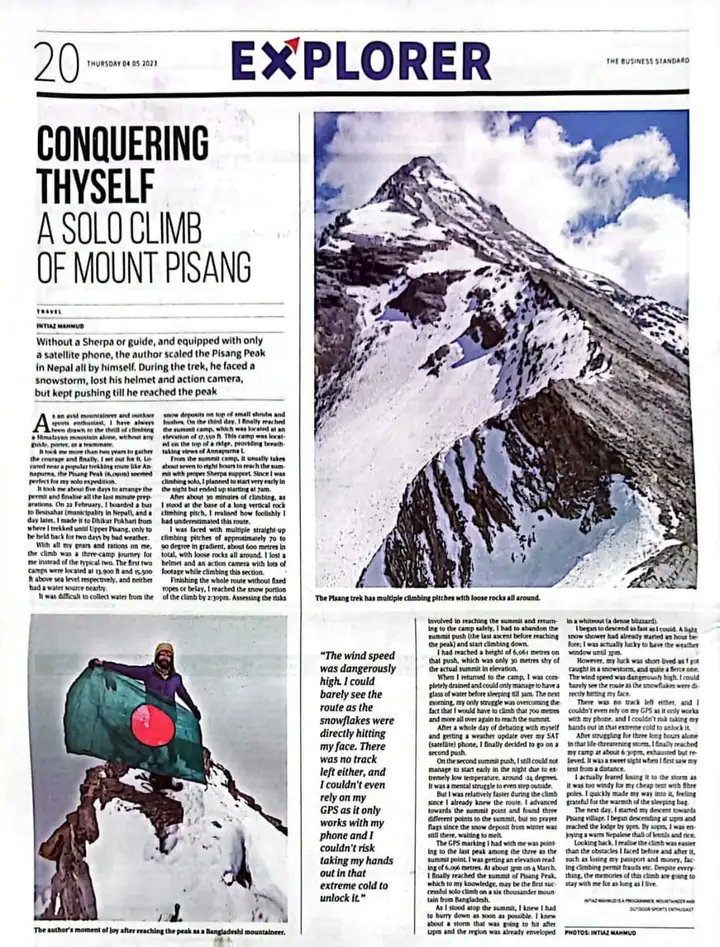
Read More
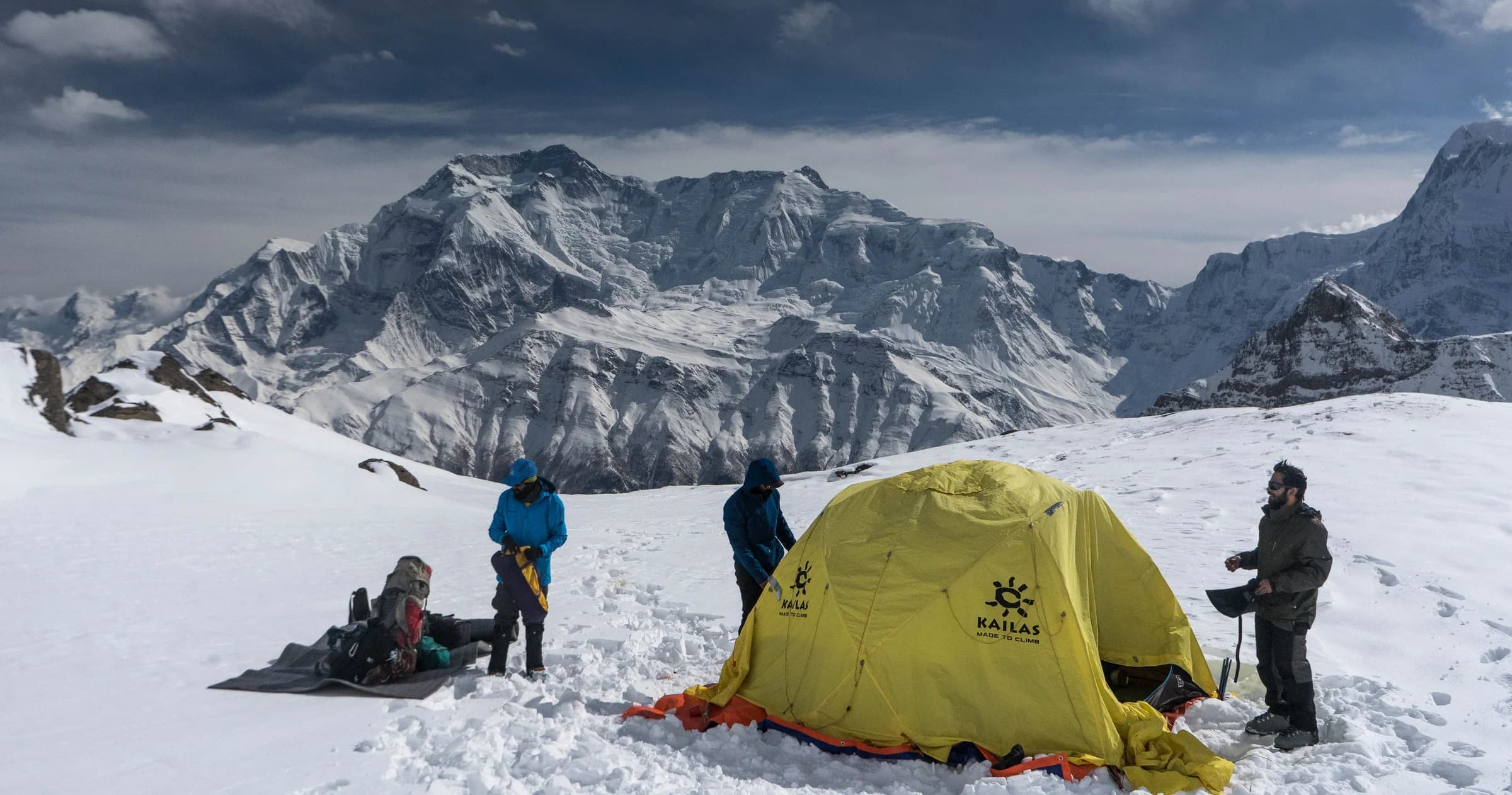
Expeditions
Winter Quest 2020: A Self-Supported Himalayan Mountaineering Expedition in Nepal
Intiaz Mahmud’s 2020 winter expedition in Nepal with The Quest: Himalayan photographs, expedition preparations and the original plan to climb Chulu Far-East.
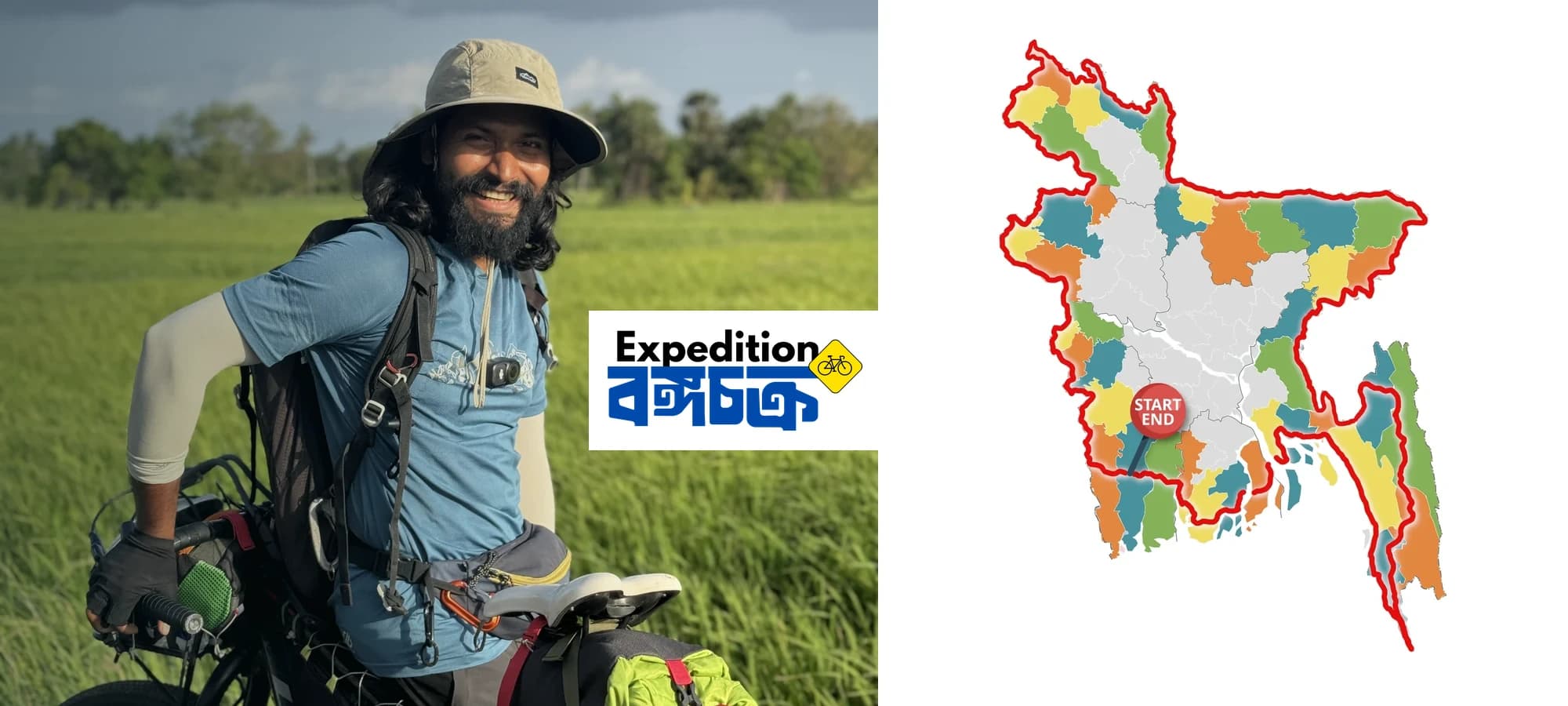
Expeditions
BongoChakra: A 5,000+ km Cycling Expedition Following the Entire Borderline of Bangladesh
A partnership proposal for a planned 90-day bicycle journey along the outer edges of Bangladesh, connecting around 40 districts through stories, community rides and field content.
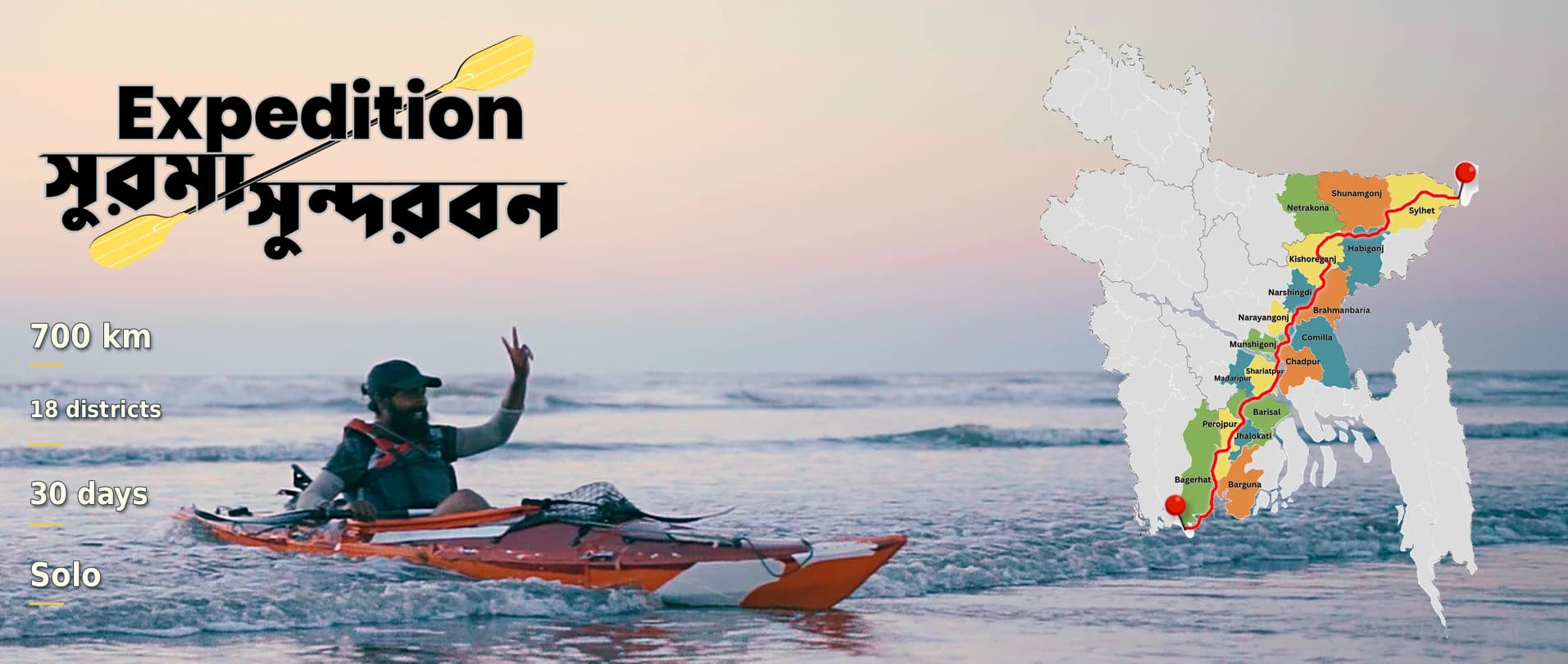
Expeditions
Expedition Shurma-Sundarban: A Planned Kayak Expedition in Bangladesh
A planned 700 km solo kayak expedition in Bangladesh, from Sunamganj to the Sundarbans. Partner with Intiaz Mahmud to tell stories of rivers and rural communities.
Expeditions
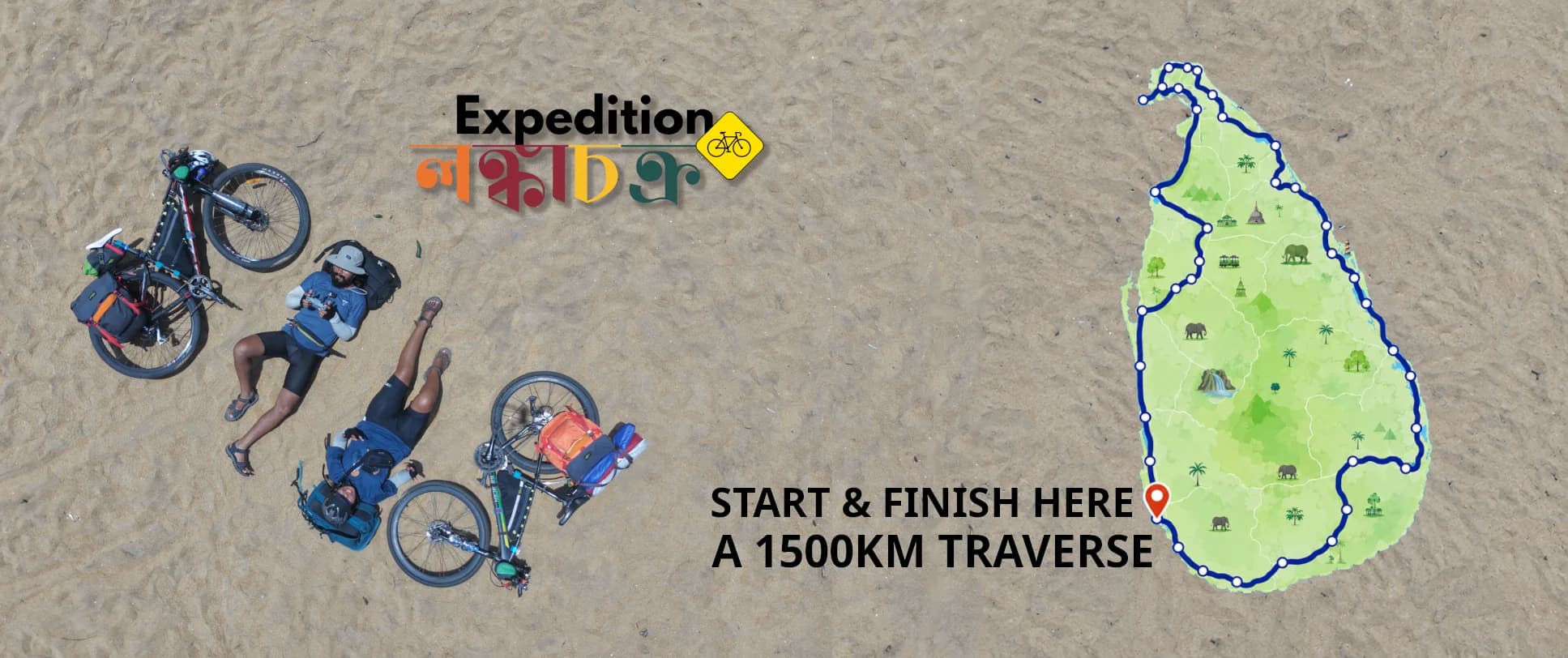
LankaChakra: Cycling 1,500 Kilometres Around Sri Lanka
A bicycle tour around Sri Lanka with Subah: 21 riding days shaped by heat, headwinds, remote work, wildlife and the kindness of strangers.